Clinical Evidence Researcher
Daniel Okafor
Daniel researches the clinical evidence behind ingredients, treatments and health routines. He tracks study population, dose, duration, comparator and outcome, then separates statistical findings from results that are likely to matter in real life. He also records where evidence is indirect, mixed or too limited to support a recommendation.
Clinical trialsSystematic reviewsEvidence gradingStudy designOutcome interpretation

How every page is written
Daniel covers: trial evidence, systematic reviews, evidence grading, outcome interpretation and research limitations. The same rules apply to every guide, comparison and profile. They are set out in full on the methodology page.
- Sources
- Trials, labels, regulatorsPages are written from published trials, product labels and regulators' safety notices, listed at the end of each page.
- Before publishing
- Checked line by lineEvery page is read again against our research file, and wording that says more than the source is corrected.
- Numbers
- Kept with their contextA result stays next to the size of the trial, how long it ran, what it was compared with and who funded it.
- Independence
- No paid positionsWe sell no supplements, and no brand can pay to appear in a guide or change a label.
- Limits
- Not medical advicePages are educational. When a situation needs an assessment, the page says so.
- Corrections
- Checked and fixedFound an error? Write to ask@whathelps.health and we will check it against the source.
Guides by Daniel
Hair · Guide
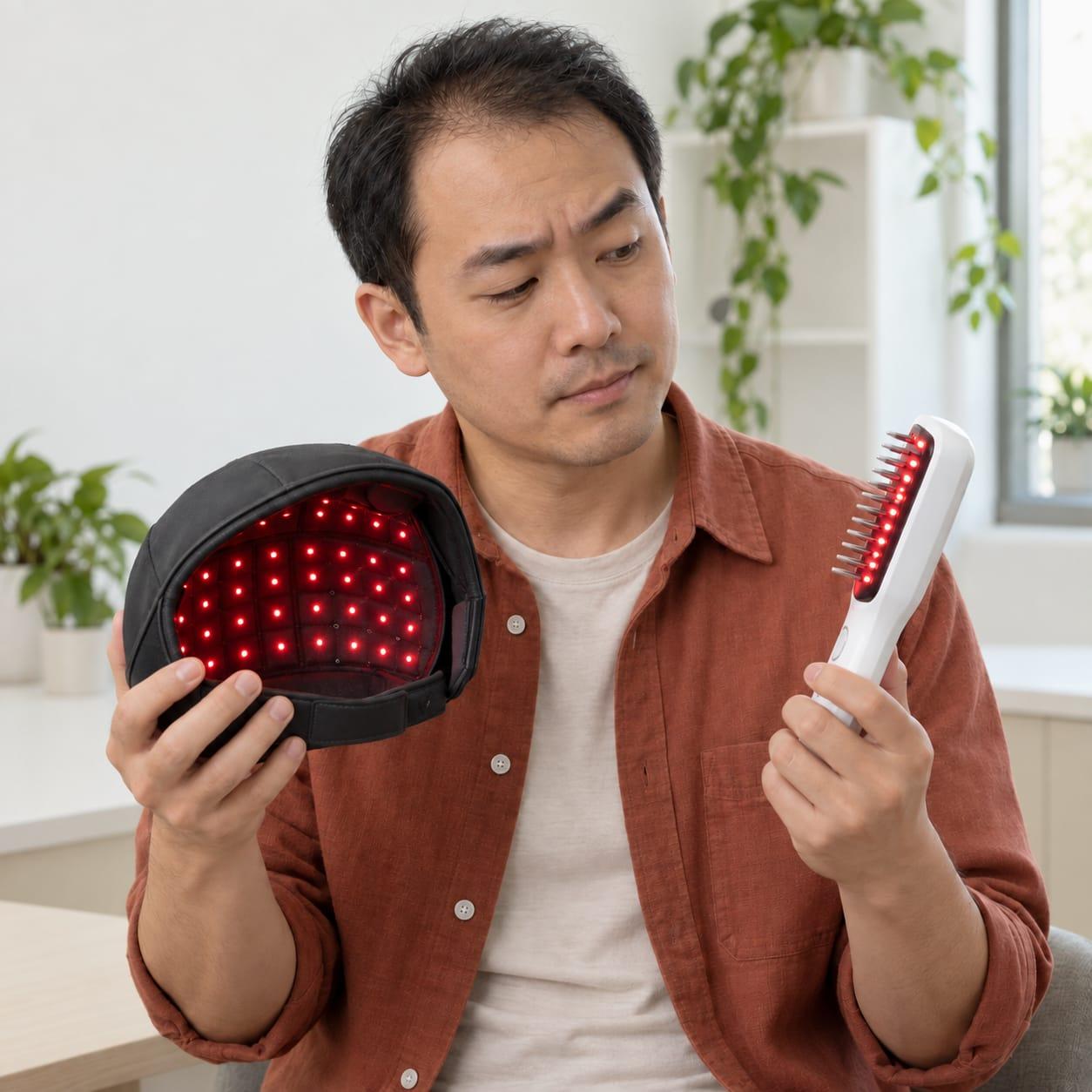
Red-light therapy for hair loss: does it really work?
Laser caps, light-up helmets and combs all promise help with thinning hair. Here is what the treatment involves, how the devices differ, and what to know about results, side effects and regular use.
Hair · Guide
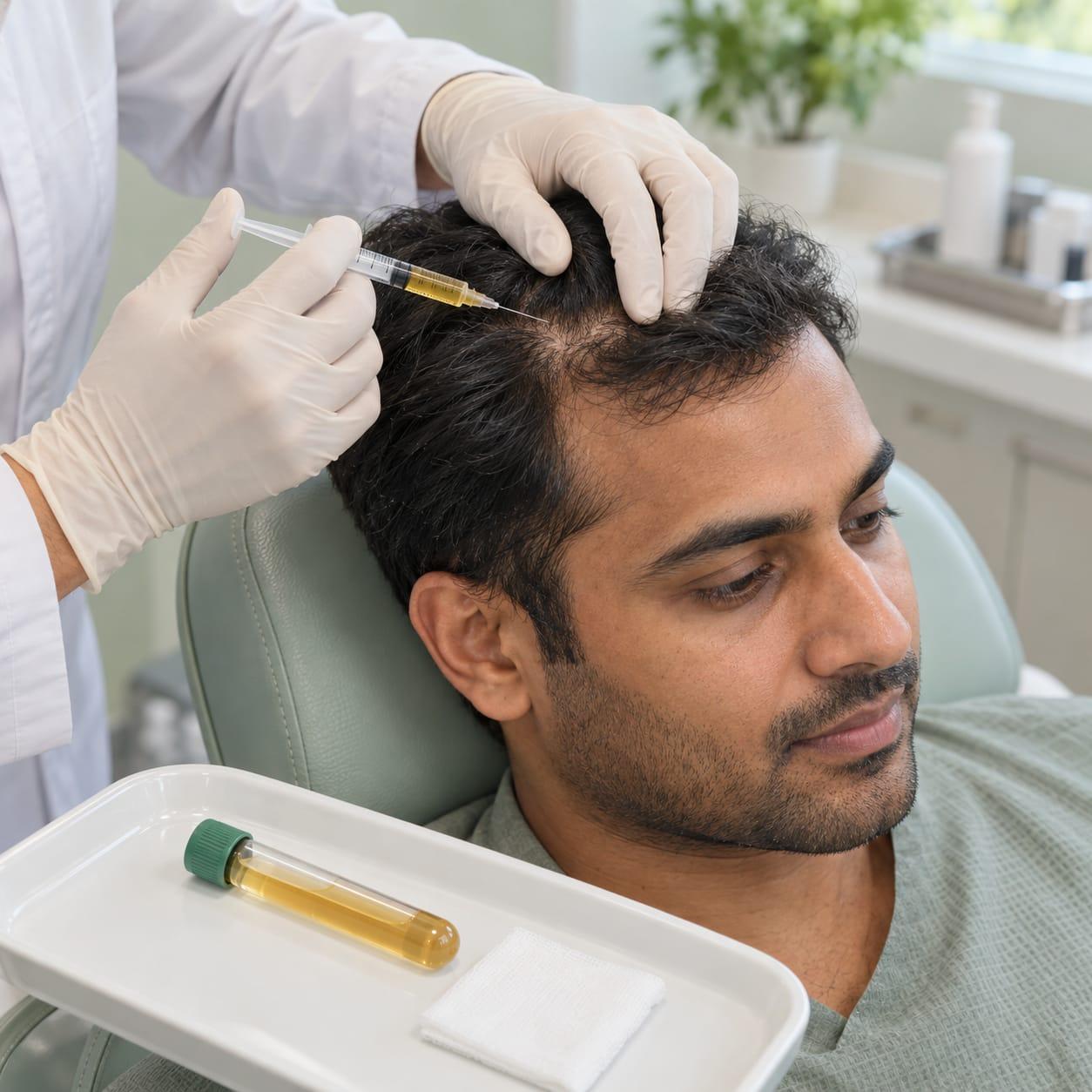
PRP for hair loss: does it work?
What PRP scalp injections involve, how much they may help, how treatment courses differ, and what to know about pain, prices and repeat visits.
Hair · Comparison
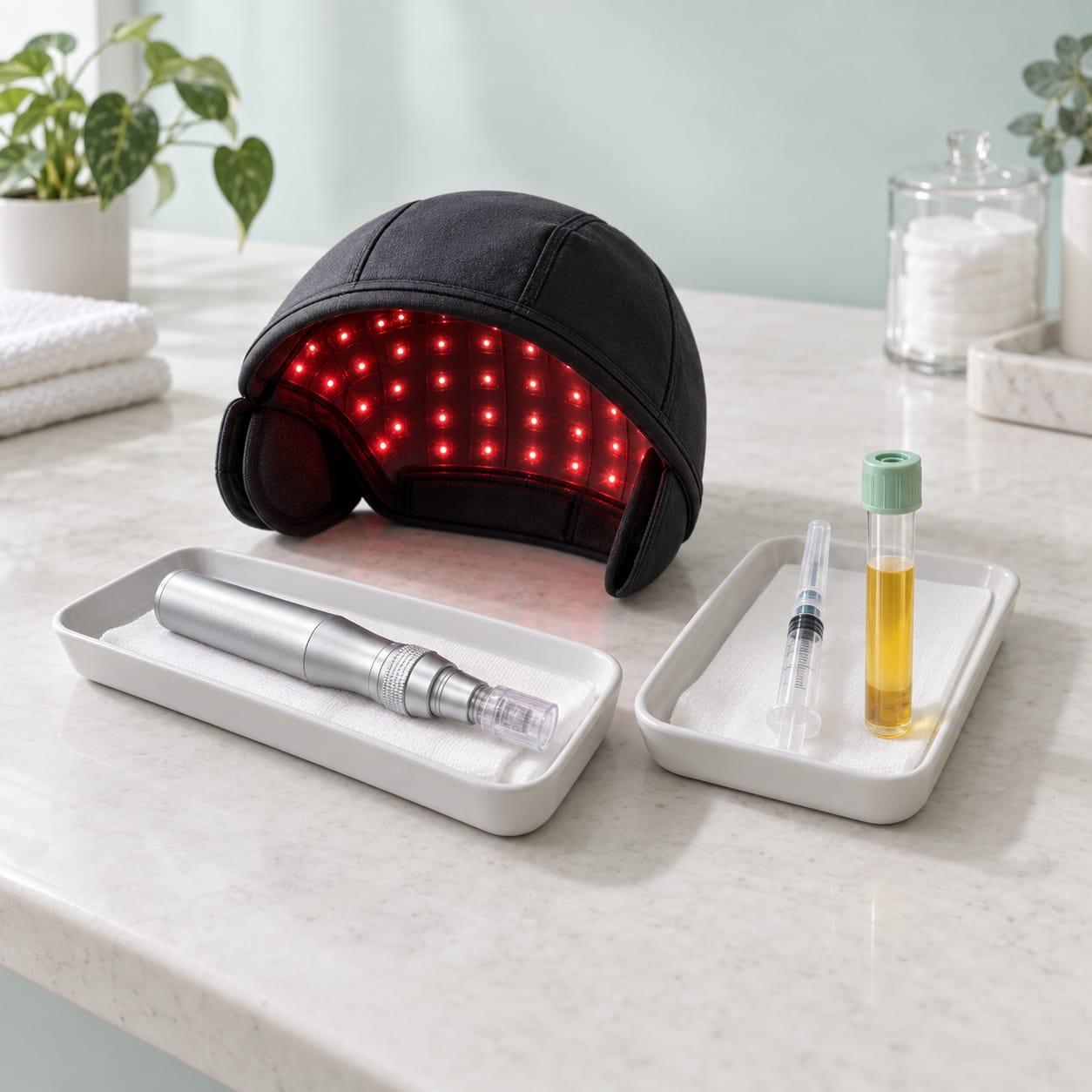
Hair loss procedures: microneedling, light therapy or PRP?
What microneedling, light devices and PRP injections do, where they fit beside medicines, and how to compare their results, side effects, time and cost.
Hair · Guide
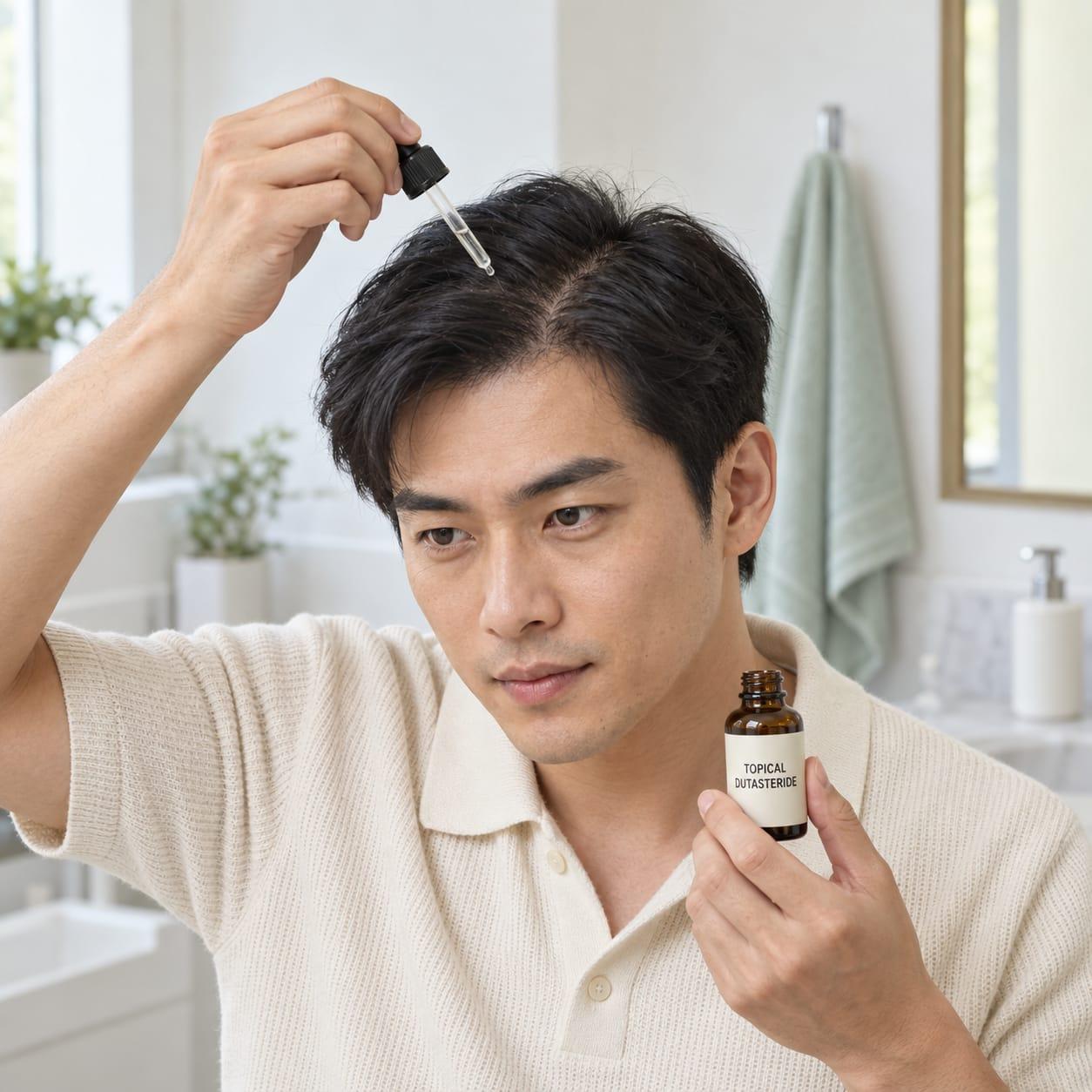
Topical dutasteride: what it is, results and side effects
An introduction to dutasteride applied to the scalp: how it differs from capsules, what the hair-growth study found, and the safety and product questions to consider.
Hair · Guide
Finasteride results: how long it takes and what to expect
What to expect over the first months and longer term, how regrowth differs from keeping the hair you have, and how to judge progress before a treatment review.
Hair · Comparison
Rosemary vs minoxidil: which helps with hair loss?
How rosemary lotions and oils compare with minoxidil solution and foam, from hair results and scalp irritation to daily use and what happens after stopping.
Hair · Comparison
Saw palmetto vs finasteride: which helps with hair loss?
A plant supplement and a prescription tablet compared: how they differ, what results to expect and the questions about side effects and continued use.

Hair · Comparison
Minoxidil vs finasteride for hair loss: how the two core options compare
A scalp product used twice a day and a prescription tablet taken once a day. Our review does not establish a winner between them, so this page compares what each was tested against, what each asks of you and what each risks.

Hair · Comparison
Finasteride vs dutasteride for hair loss
Two prescription medicines from the same group. One large trial compared them over six months. Approval, long-term data, side-effect warnings and how long each stays in the body differ.

Hair · Guide
Minoxidil and finasteride together: what the combination evidence shows
Finasteride tablets with minoxidil on the scalp is the pairing with direct trial evidence. Here are its numbers and their limits, the other ways of combining the two, and what product labels say.

Hair · Guide
Oral minoxidil for hair loss: what the trials show, and how it compares with the scalp forms
A tablet once a day sounds easier, and stronger, than a foam twice a day. Here is what the trials in men measured, which side effects were counted, and how the tablet compares with the solution and the foam.
Hair · Comparison
Minoxidil foam vs liquid: which form to choose
The 5% foam and the 5% liquid are two forms of one medicine. Each has its own trial in men, its own label and its own base. No trial we rely on shows which one regrows more hair.
Hair · Guide
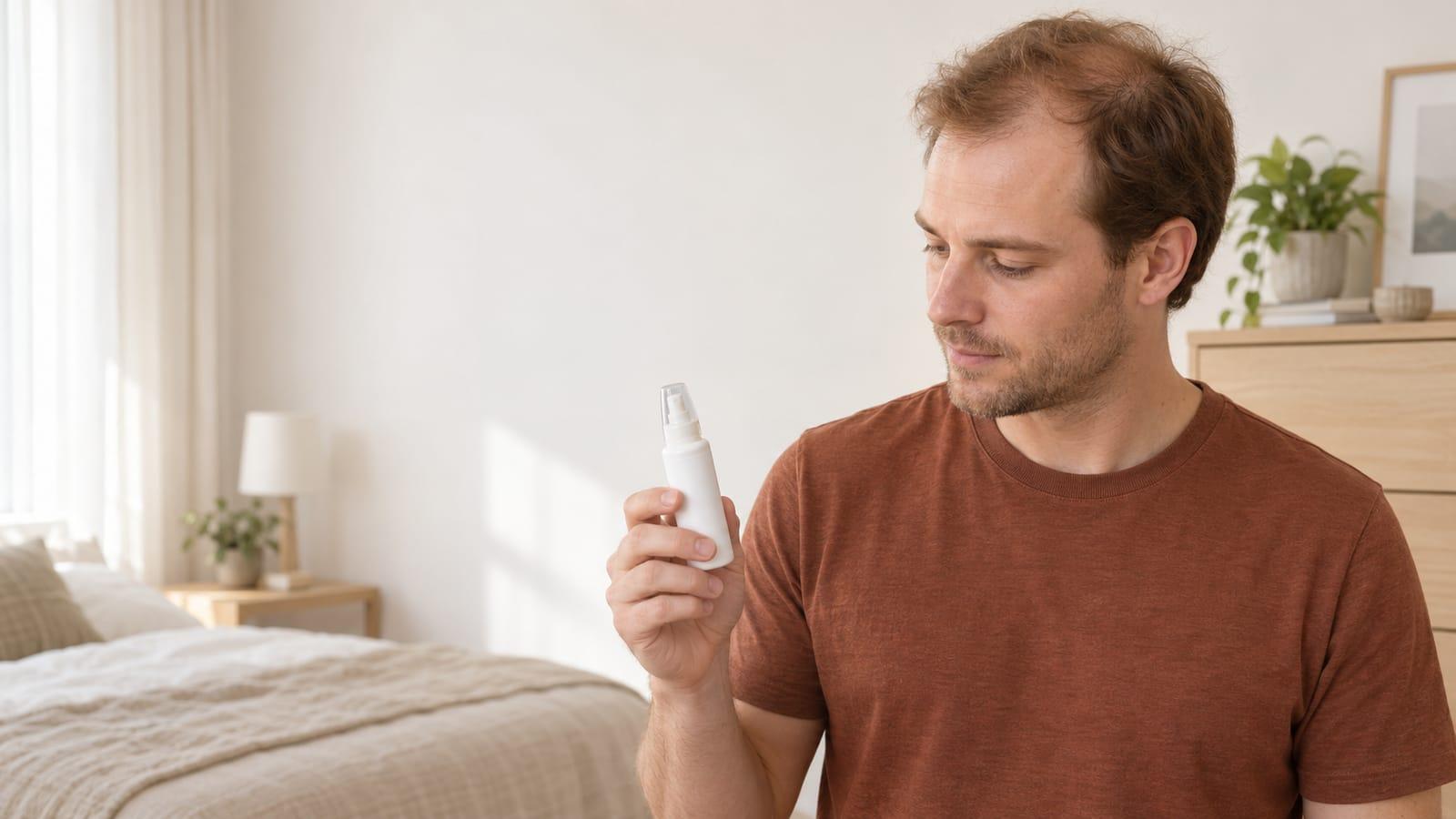
Topical finasteride spray: the trial, and how it compares with the tablet
A scalp spray is meant to deliver finasteride where the hair grows and less of it to the rest of the body. One trial tested one spray for 24 weeks. Here is what it measured, and what it did not settle against the tablet.

Hair · Guide
Microneedling for hair loss: what the trials with minoxidil show
Rolling short needles over the scalp is said to make minoxidil work better. Small trials in men point that way, but each used its own protocol, their numbers are poorly reported, and none is a guide for a roller at home.
Ingredient profiles
- MinoxidilSolution, foam and tablets for male pattern hair loss: what the trials measured, how the labels say to use it, the side effects that were counted and what it costs.Core option
- FinasterideA daily tablet and a scalp spray for male pattern hair loss: what the trials measured, how the labels say to use it, the side effects and warnings, and what it costs.Core option
- DutasterideA capsule studied against finasteride, and a scalp solution still in research: what the trials measured, where it is approved for hair loss, the side effects and how long it stays in the body.Conditional