Research & editorial
What Helps Editorial Team
We turn published research, product labels and regulatory safety notices into plain-language guides. Each guide lists the sources its claims are tied to, and commercial relationships never decide what we recommend.
The team
 Avery BrooksEditor-in-Chief & Evidence Standards LeadAvery leads the editorial method behind What Helps. They set the evidence standards, review how claims are framed, and make sure recommendations remain tied to the strength and limits of the available research.Profile
  Priya NairSupplement Safety & Label ResearcherPriya researches ingredient safety, label accuracy, interactions, contraindications and regulatory notices so practical guidance never outruns the available safety information.Profile
  Daniel OkaforClinical Evidence ResearcherDaniel examines clinical trials, systematic reviews and guideline documents, translating study results into clear conclusions without presenting preliminary findings as settled fact.Profile
  Hannah LindqvistNutrition & Consumer Health EditorHannah turns research into usable routines, explaining timing, formats, trade-offs and practical next steps without making the plan more complicated than it needs to be.Profile
How every page is written
The same rules apply to every guide, comparison and profile. They are set out in full on the methodology page.
- Sources
- Trials, labels, regulatorsPages are written from published trials, product labels and regulators' safety notices, listed at the end of each page.
- Before publishing
- Checked line by lineEvery page is read again against our research file, and wording that says more than the source is corrected.
- Numbers
- Kept with their contextA result stays next to the size of the trial, how long it ran, what it was compared with and who funded it.
- Independence
- No paid positionsWe sell no supplements, and no brand can pay to appear in a guide or change a label.
- Limits
- Not medical advicePages are educational. When a situation needs an assessment, the page says so.
- Corrections
- Checked and fixedFound an error? Write to ask@whathelps.health and we will check it against the source.
Guides and comparisons
Every guide, comparison, ranking and ingredient profile on the site.

Hair · Guide
Male pattern hair loss treatments and supplements explained
Which options have evidence for gradual thinning in adult men, what benefit you might expect, and what each one involves, before you choose a brand.
Hair · Guide
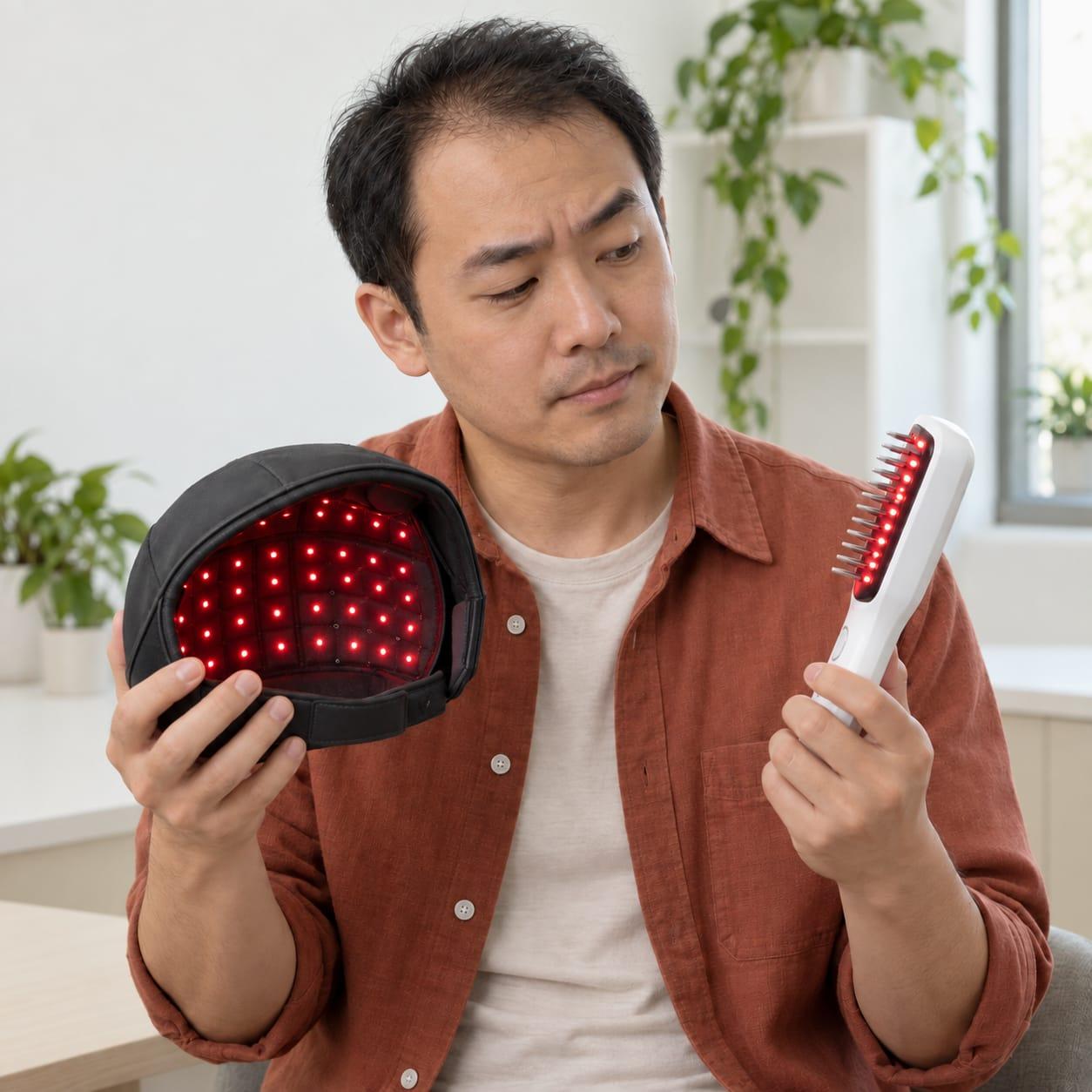
Red-light therapy for hair loss: does it really work?
Laser caps, light-up helmets and combs all promise help with thinning hair. Here is what the treatment involves, how the devices differ, and what to know about results, side effects and regular use.
Hair · Guide
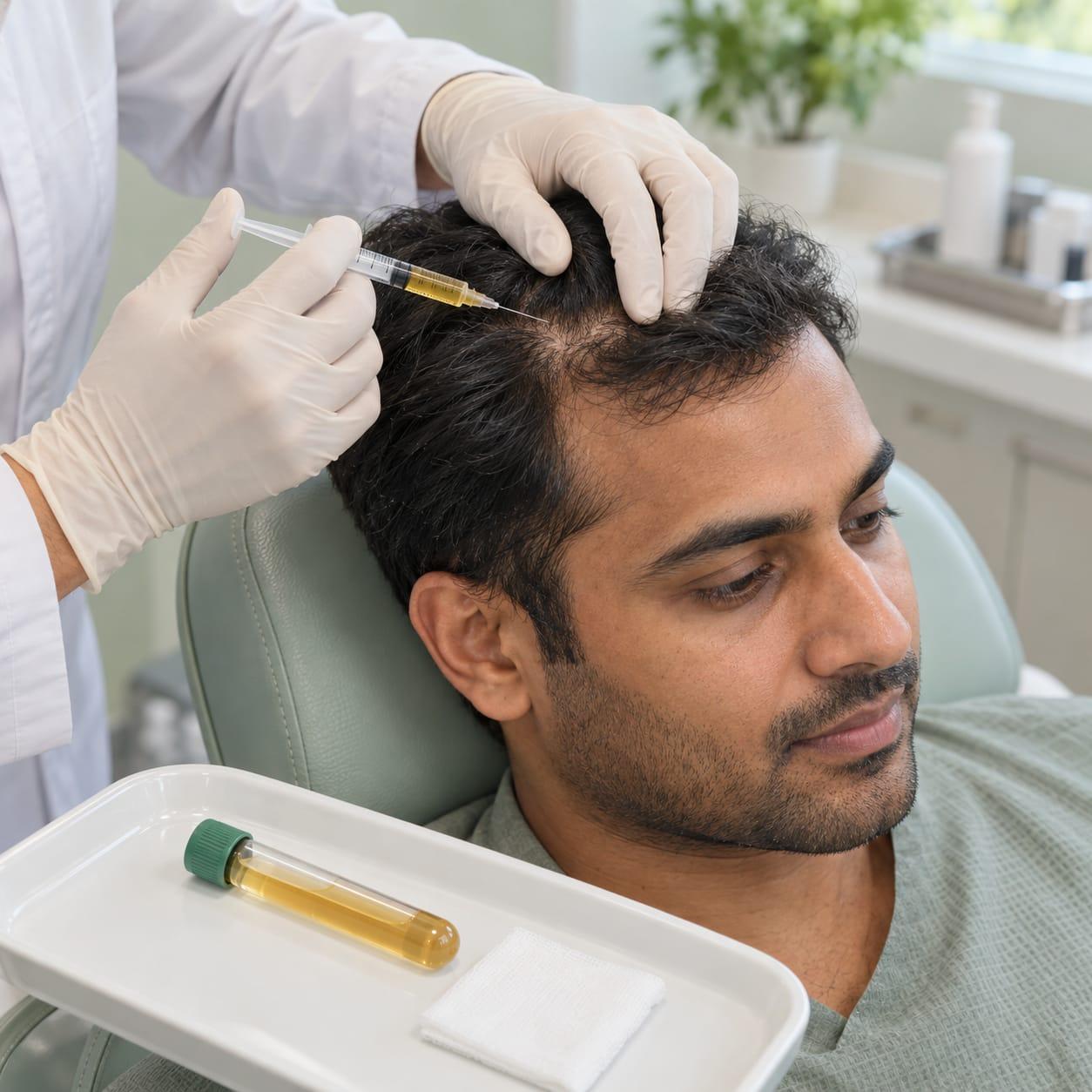
PRP for hair loss: does it work?
What PRP scalp injections involve, how much they may help, how treatment courses differ, and what to know about pain, prices and repeat visits.
Hair · Comparison
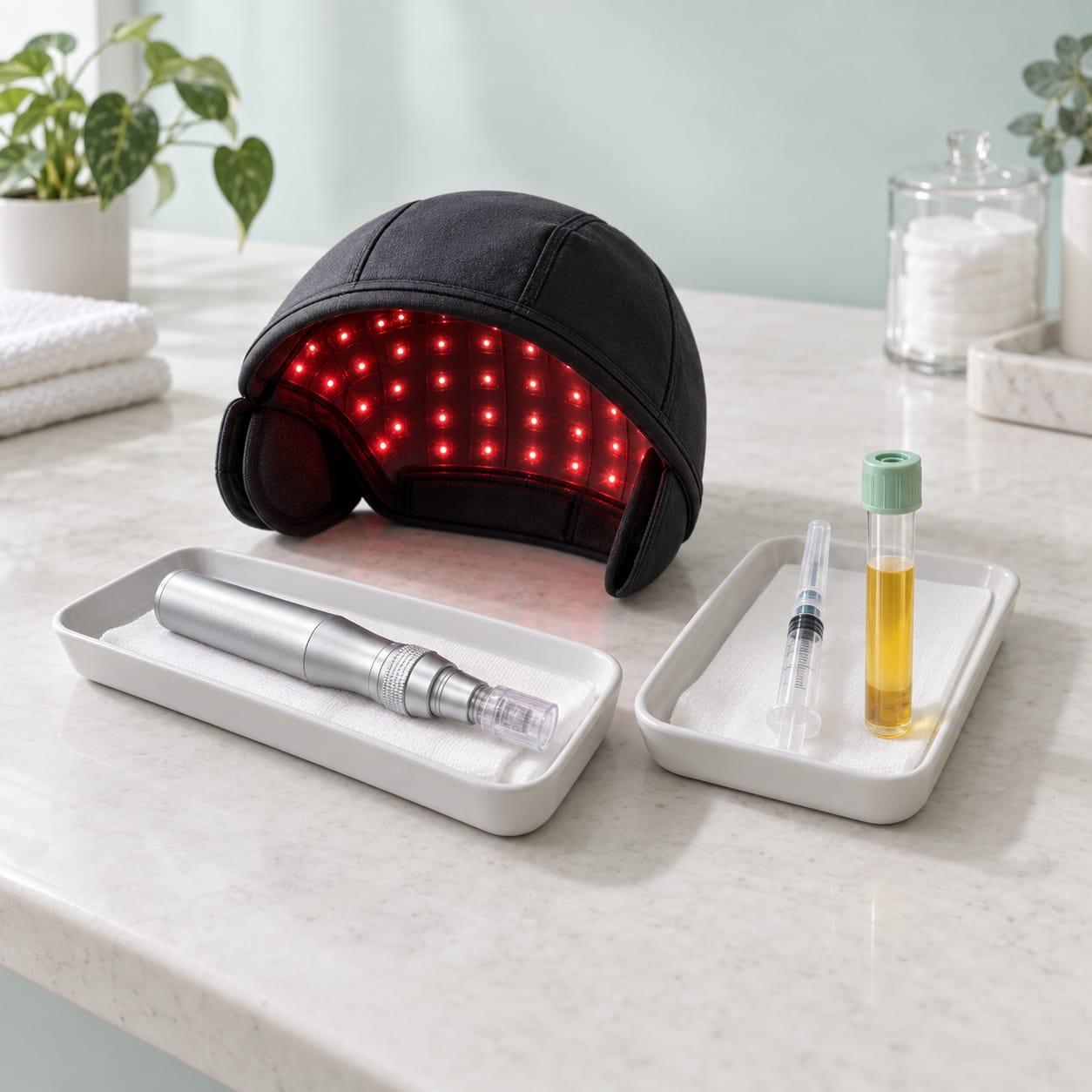
Hair loss procedures: microneedling, light therapy or PRP?
What microneedling, light devices and PRP injections do, where they fit beside medicines, and how to compare their results, side effects, time and cost.

Hair · Guide
Dutasteride side effects: what to watch for
A guide to possible sexual and mood changes, fertility questions and symptoms after stopping, with practical points to discuss before and during treatment.
Hair · Guide
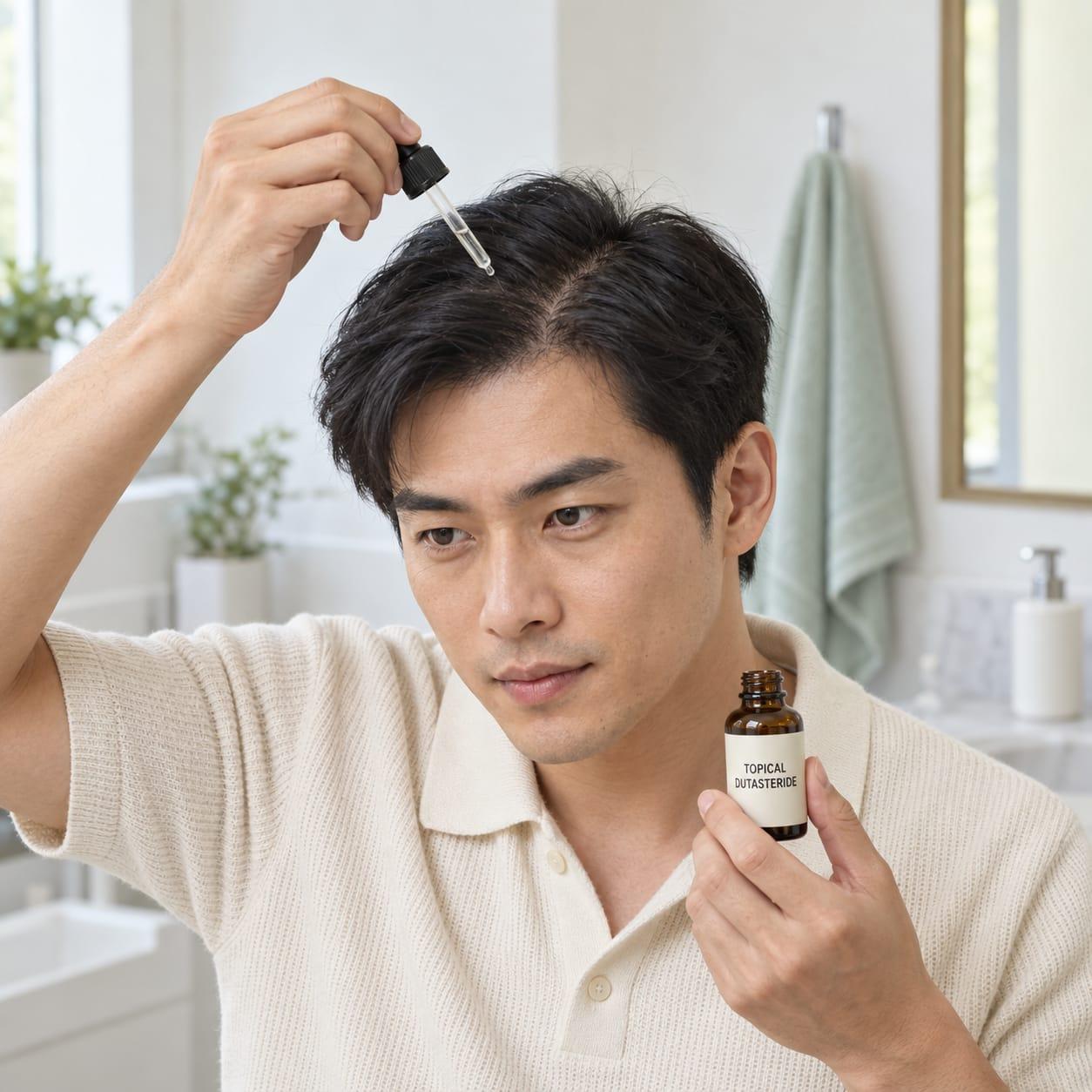
Topical dutasteride: what it is, results and side effects
An introduction to dutasteride applied to the scalp: how it differs from capsules, what the hair-growth study found, and the safety and product questions to consider.
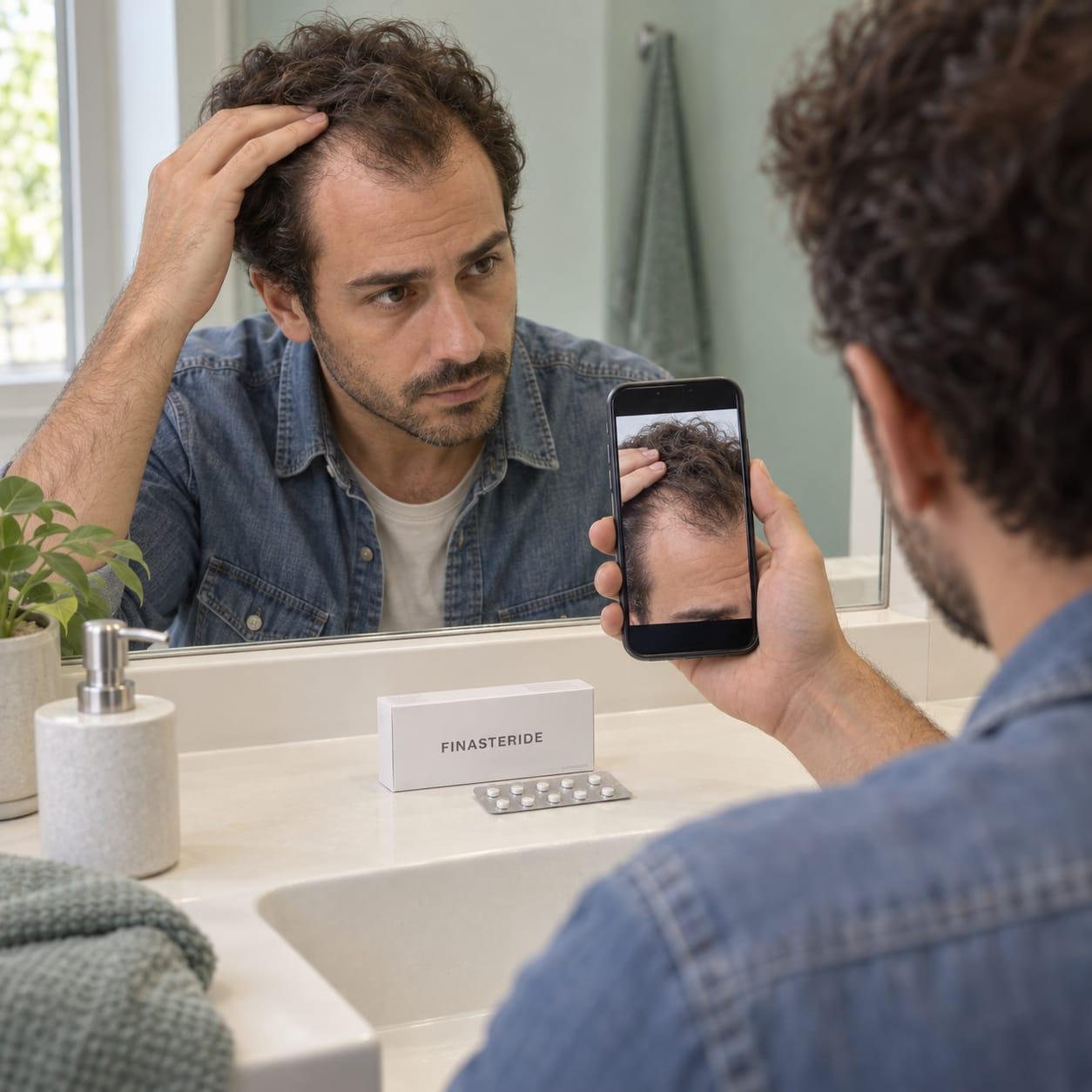
Hair · Guide
Finasteride results: how long it takes and what to expect
What to expect over the first months and longer term, how regrowth differs from keeping the hair you have, and how to judge progress before a treatment review.
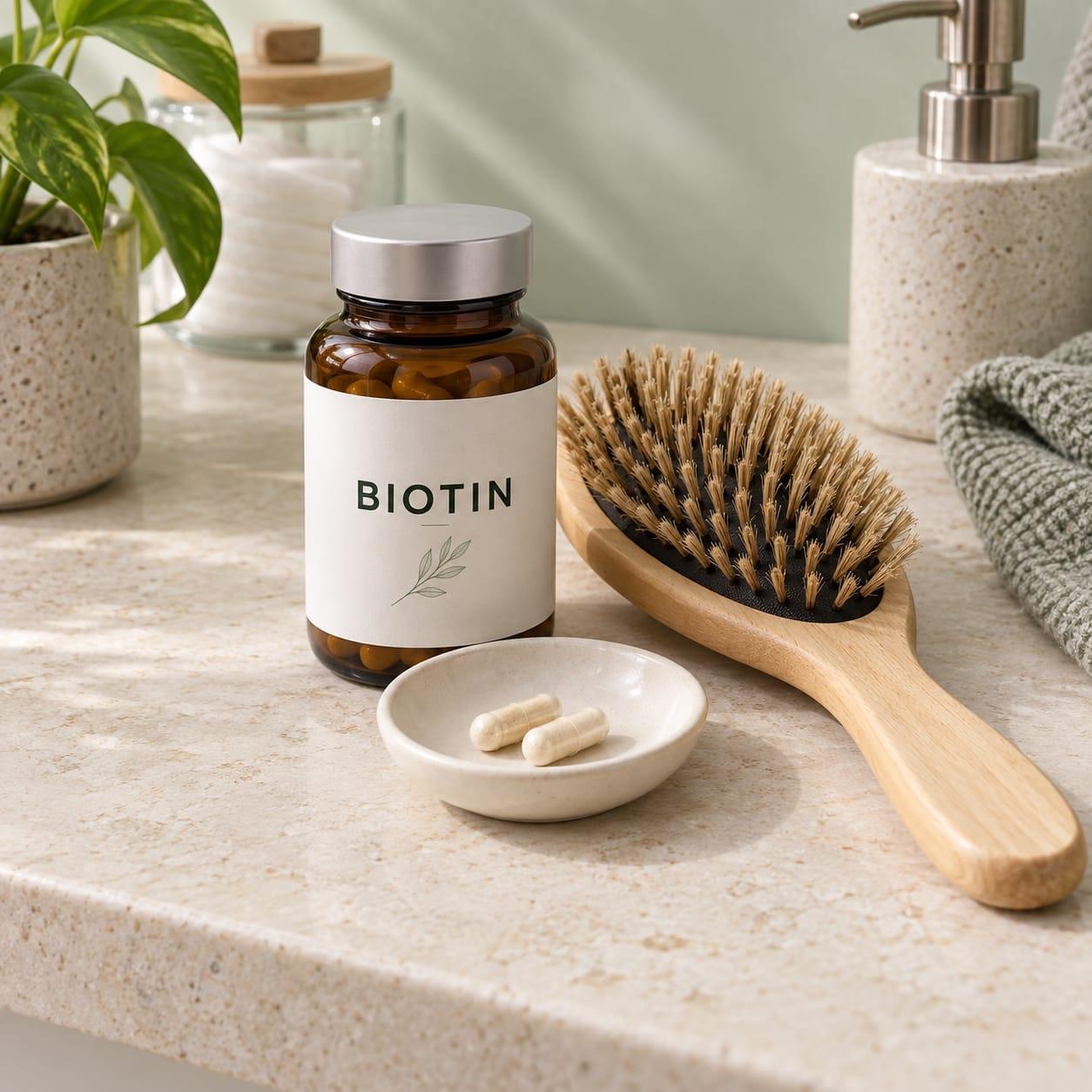
Hair · Guide
Biotin for hair growth: does it help thinning hair?
When biotin may help with hair loss, how to understand the amount on a bottle and what to know before having a blood test.
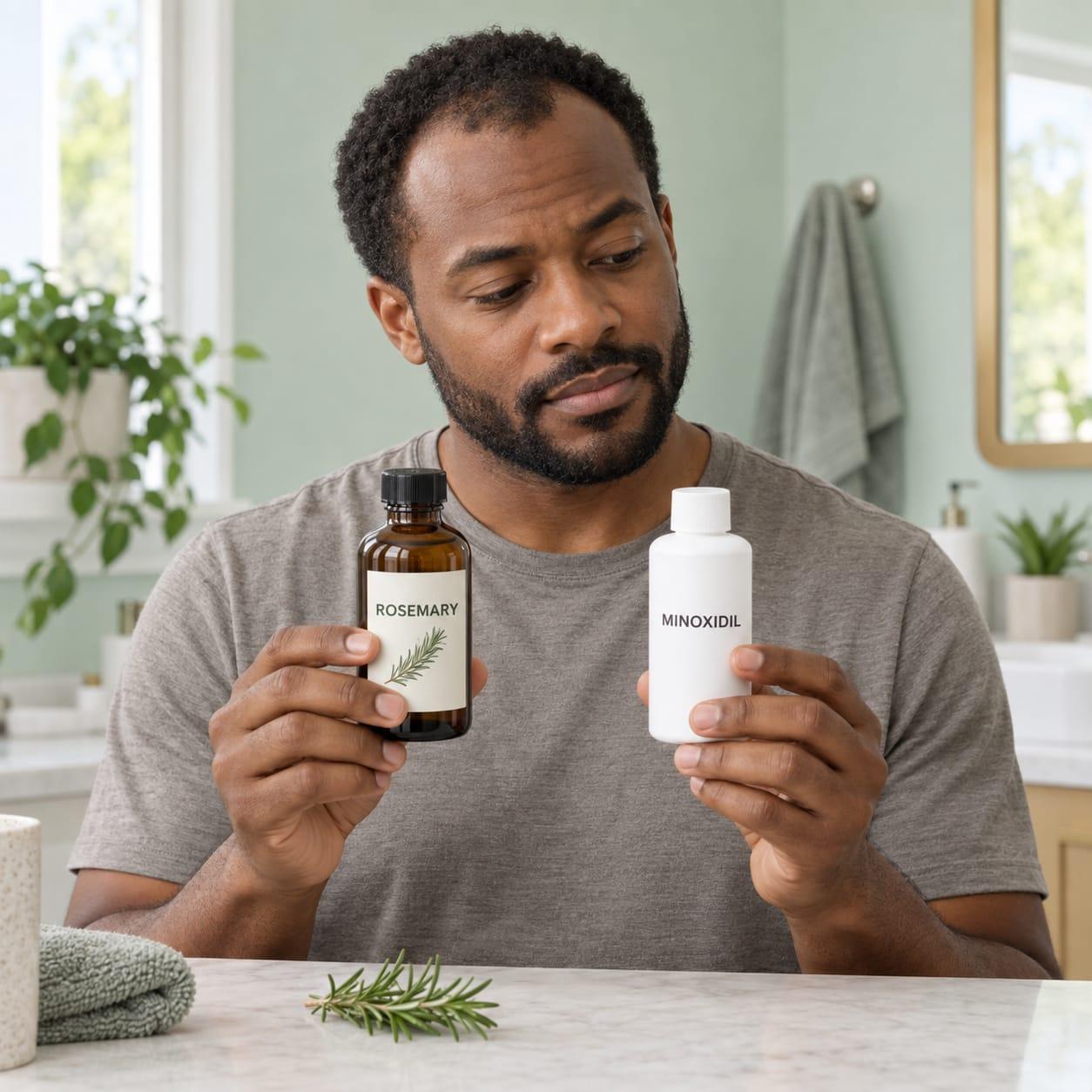
Hair · Comparison
Rosemary vs minoxidil: which helps with hair loss?
How rosemary lotions and oils compare with minoxidil solution and foam, from hair results and scalp irritation to daily use and what happens after stopping.
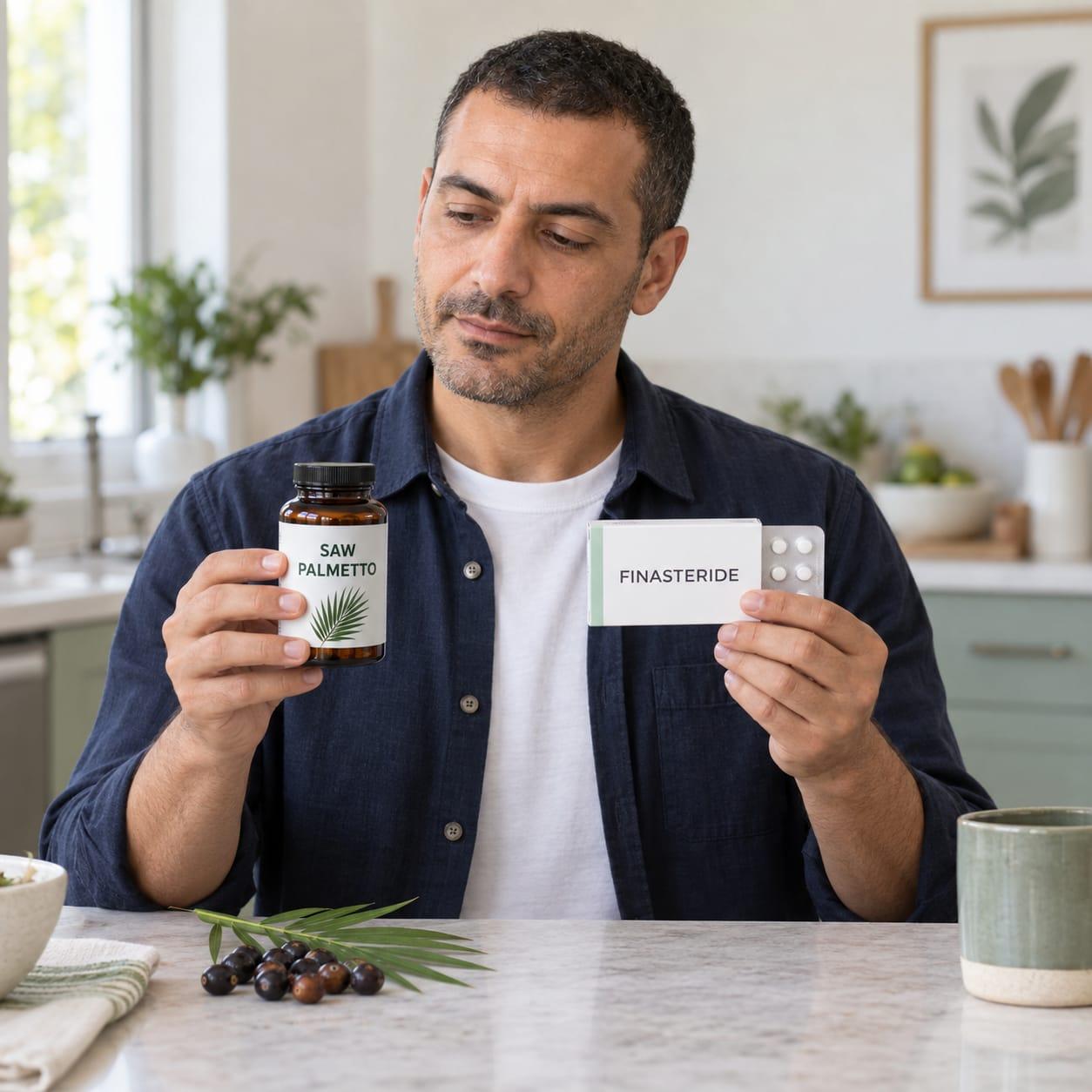
Hair · Comparison
Saw palmetto vs finasteride: which helps with hair loss?
A plant supplement and a prescription tablet compared: how they differ, what results to expect and the questions about side effects and continued use.
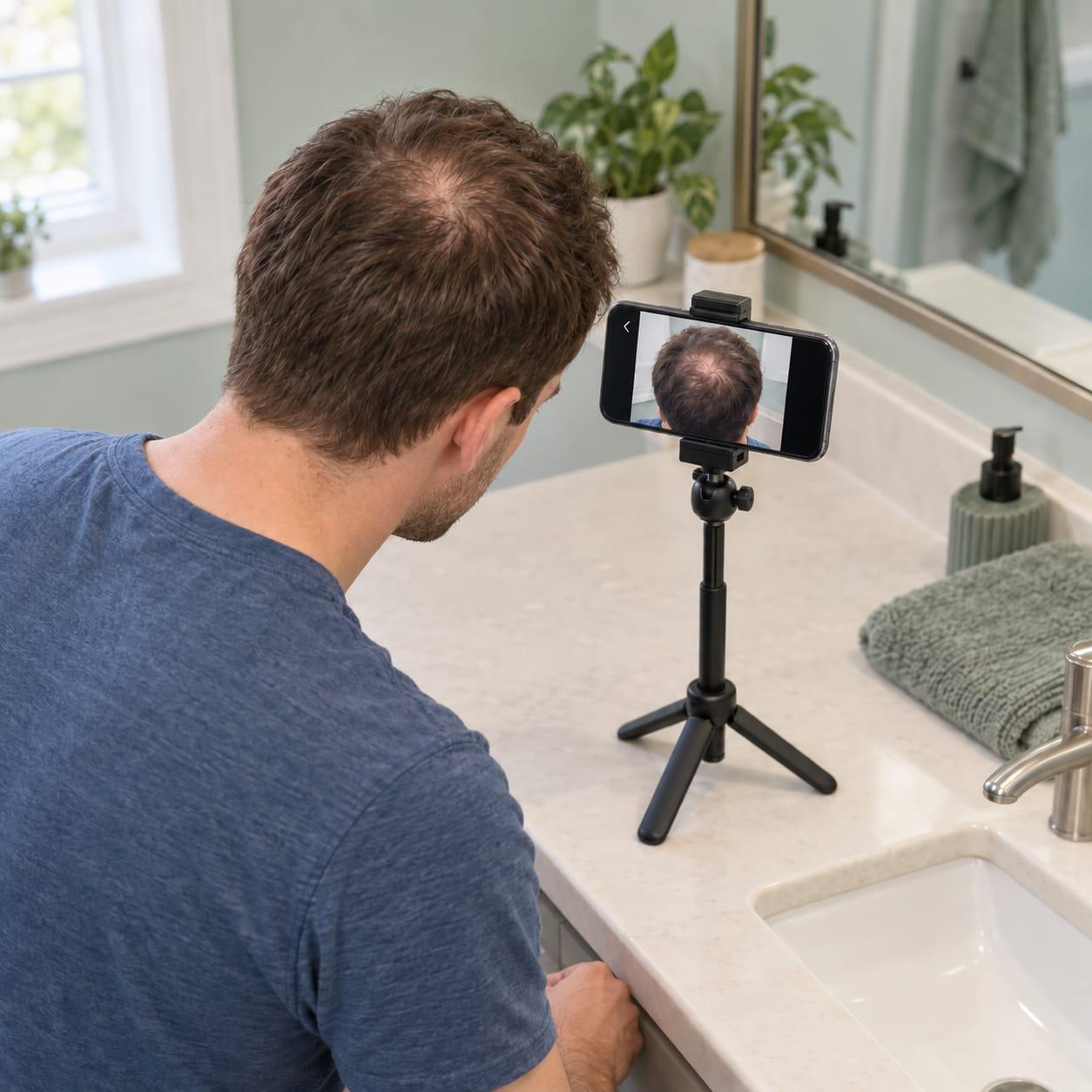
Hair · How to
How to track hair growth and treatment progress
A simple photo setup, a record you can copy and a way to compare changes over time, with treatment review dates and symptoms kept in view.
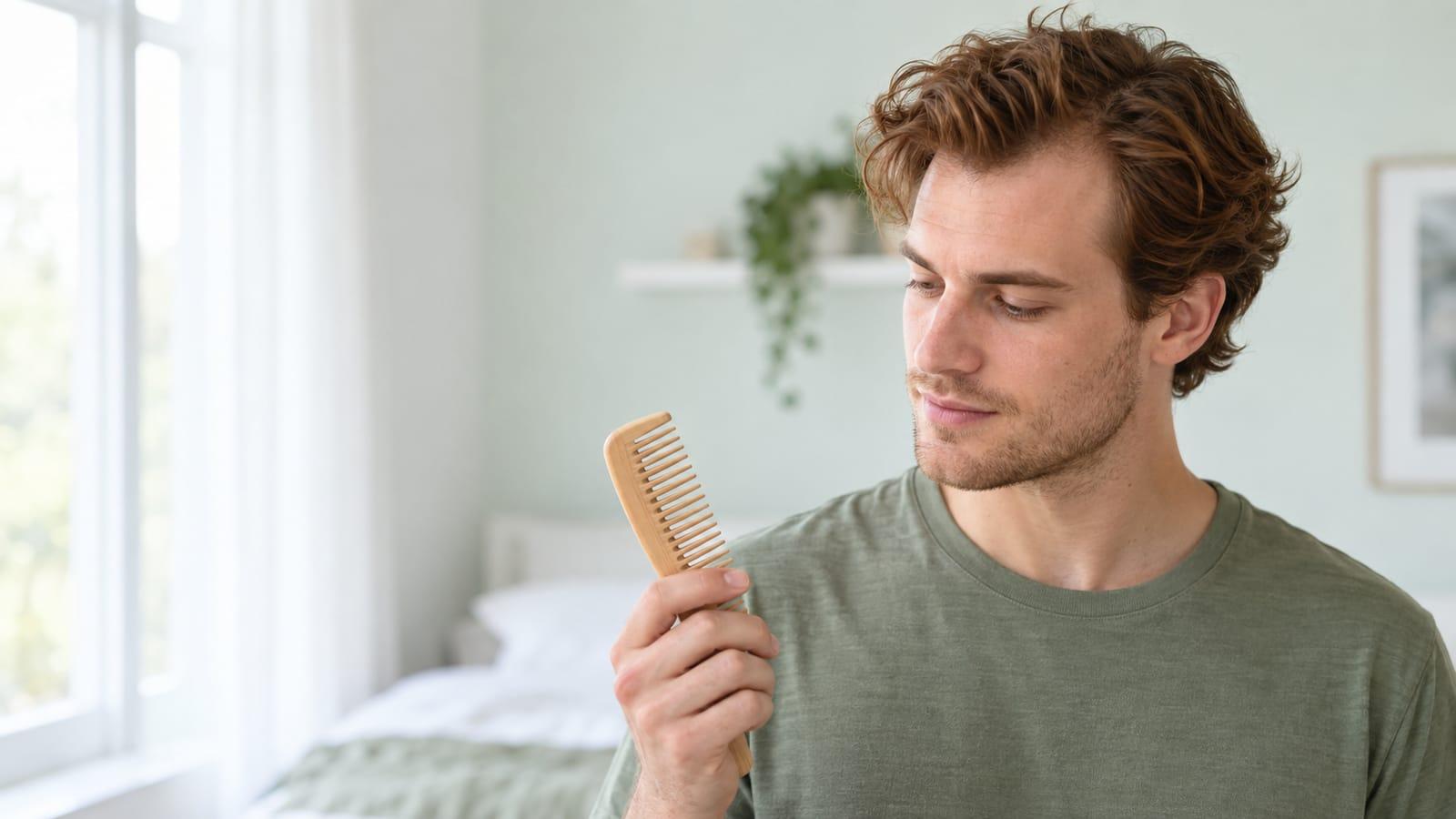
Hair · Guide
Hair loss types in men, and when to get assessed first
Gradual thinning at the hairline or the crown is one kind of hair loss. Sudden shedding, patches, a sore scalp and breakage are different questions, and each leads somewhere else.

Hair · Guide
Vitamins for hair loss: biotin, iron, zinc and vitamin D
Correcting a documented deficiency and taking a supplement to regrow hair are two different questions. This page goes through what was studied for each nutrient, and where that leaves a man with pattern hair loss.

Hair · Guide
Routines for hair loss: what to combine and what to choose between
A routine is a small number of things used consistently. This page sets out what has been studied together, what should not be stacked, what the labels say about use, and how long to give it.
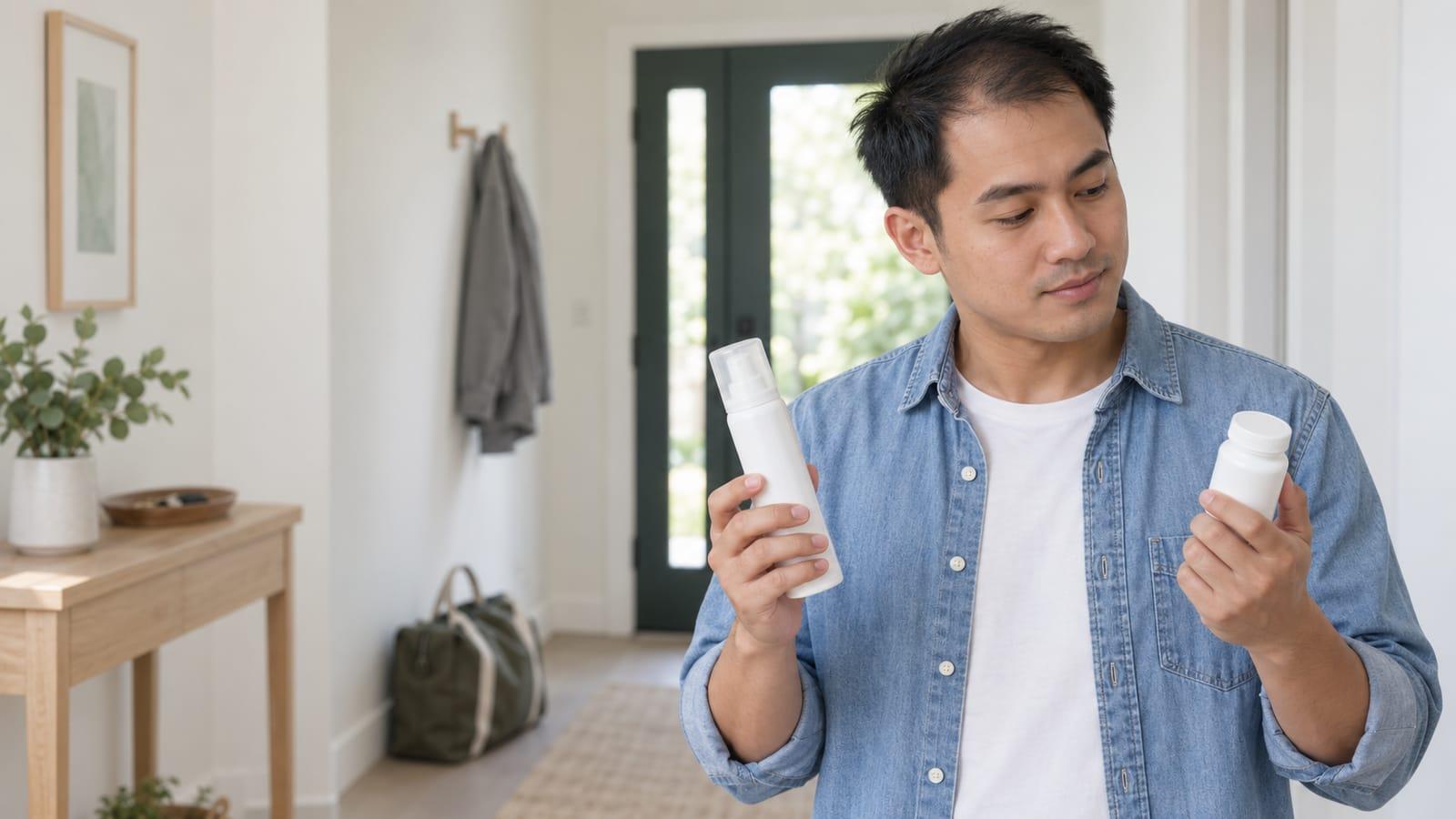
Hair · Comparison
Minoxidil vs finasteride for hair loss: how the two core options compare
A scalp product used twice a day and a prescription tablet taken once a day. Our review does not establish a winner between them, so this page compares what each was tested against, what each asks of you and what each risks.

Hair · Comparison
Finasteride vs dutasteride for hair loss
Two prescription medicines from the same group. One large trial compared them over six months. Approval, long-term data, side-effect warnings and how long each stays in the body differ.

Hair · Guide
Minoxidil and finasteride together: what the combination evidence shows
Finasteride tablets with minoxidil on the scalp is the pairing with direct trial evidence. Here are its numbers and their limits, the other ways of combining the two, and what product labels say.
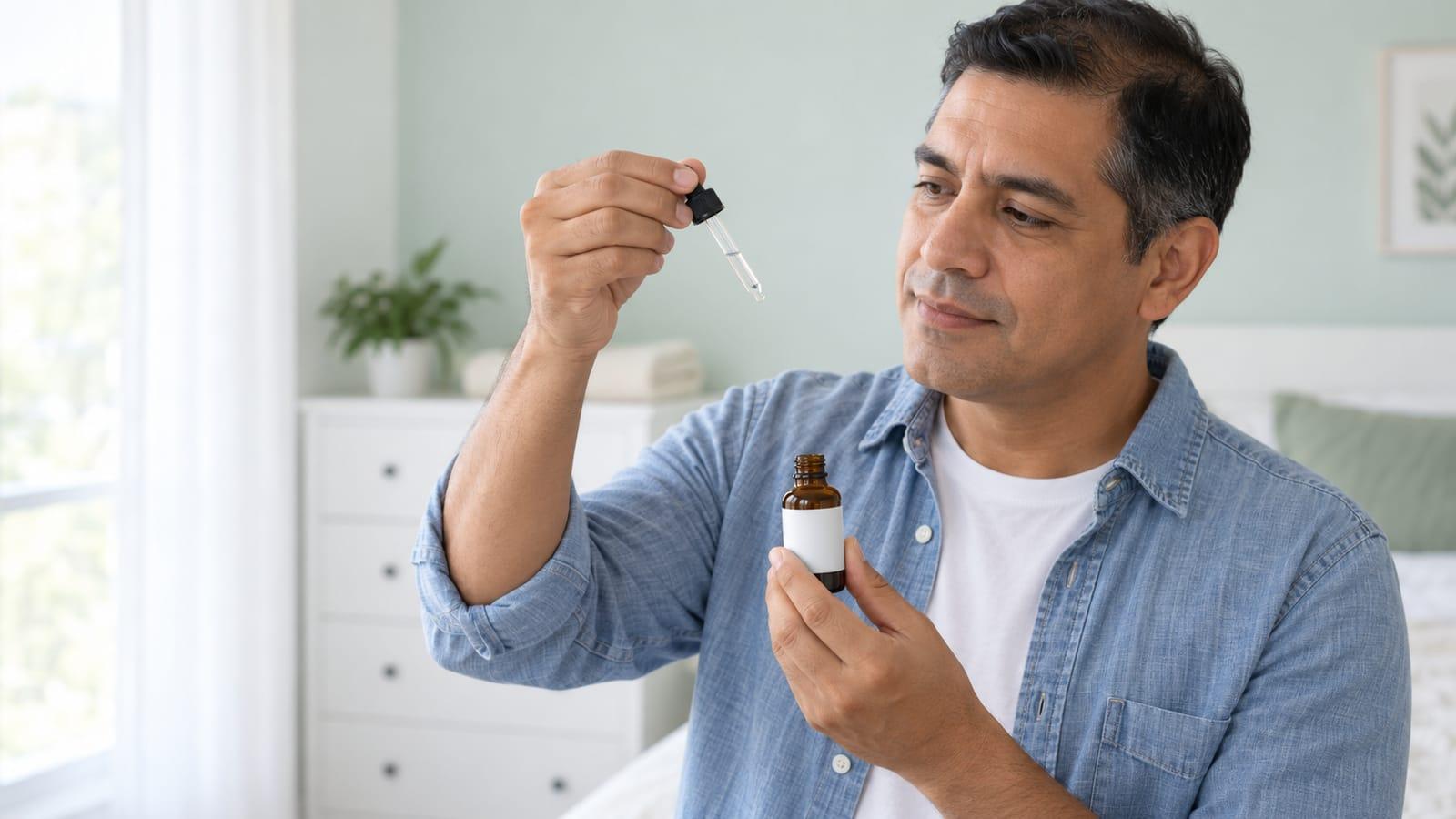
Hair · How to
How to use minoxidil according to the labels, and how long it takes
What four US and UK men's labels say about how much to use, how to put on the solution and the foam, and when to expect a change. Then what the trials counted at 16 and 48 weeks.

Hair · Guide
Oral minoxidil for hair loss: what the trials show, and how it compares with the scalp forms
A tablet once a day sounds easier, and stronger, than a foam twice a day. Here is what the trials in men measured, which side effects were counted, and how the tablet compares with the solution and the foam.
Hair · Comparison
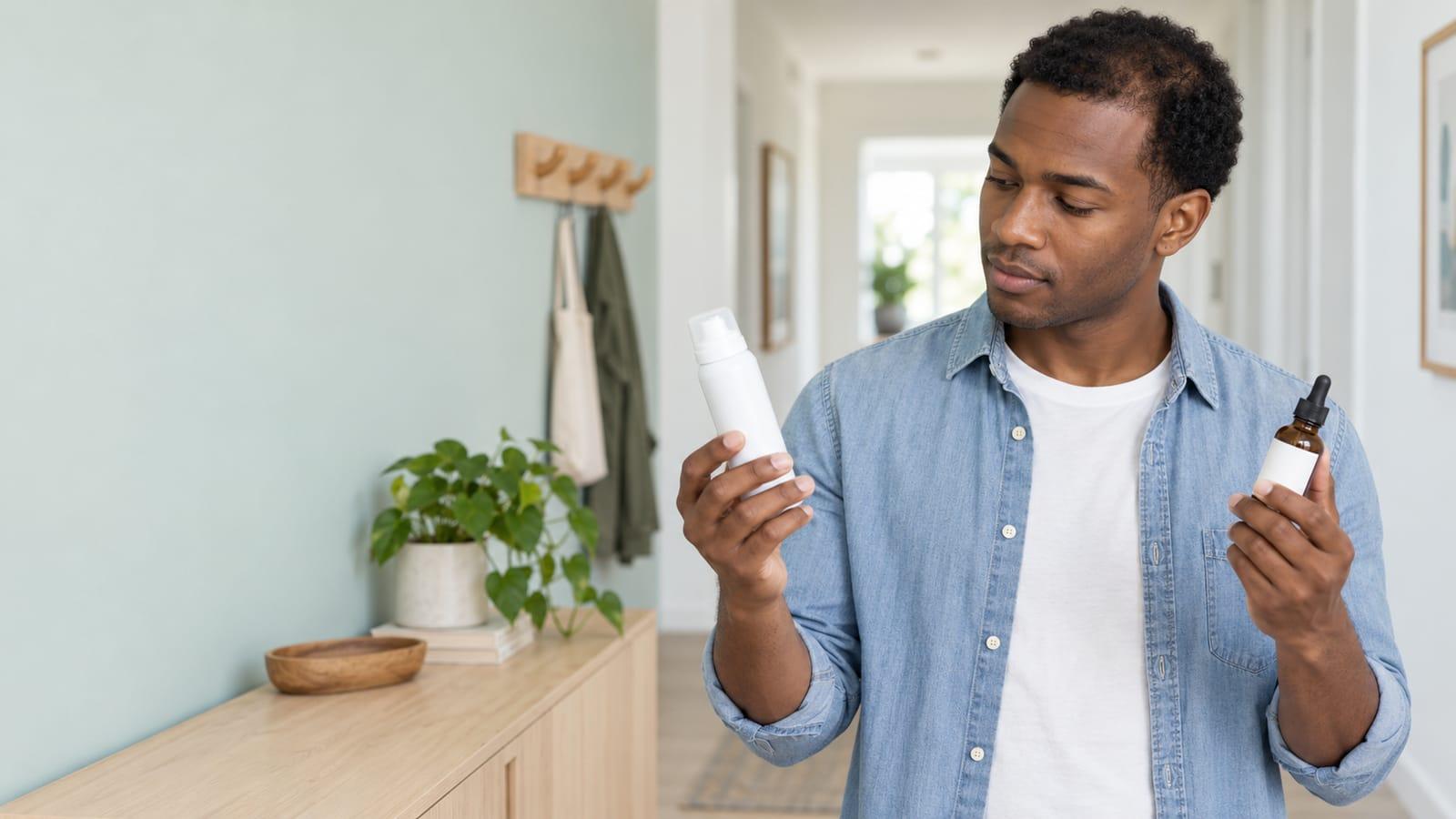
Minoxidil foam vs liquid: which form to choose
The 5% foam and the 5% liquid are two forms of one medicine. Each has its own trial in men, its own label and its own base. No trial we rely on shows which one regrows more hair.

Hair · Guide
Minoxidil for a receding hairline: what the labels and trials say
The two US men's labels say minoxidil is for the top of the scalp, not a receding hairline. Here is what the labels and the trials cover at the front, and what stays open.
Hair · Guide
Topical finasteride spray: the trial, and how it compares with the tablet
A scalp spray is meant to deliver finasteride where the hair grows and less of it to the rest of the body. One trial tested one spray for 24 weeks. Here is what it measured, and what it did not settle against the tablet.

Hair · Guide
Minoxidil side effects: what the labels and trials recorded
What was counted with the solution and foam, what was counted with the tablets, and which symptoms the US labels tell users to stop for.

Hair · Guide
Finasteride side effects in trials, labels and regulators' warnings
What was counted in trials of the 1 mg tablet, what regulators in Europe, the UK and the US have added since, and what nobody can yet put a number on.

Hair · Guide
Microneedling for hair loss: what the trials with minoxidil show
Rolling short needles over the scalp is said to make minoxidil work better. Small trials in men point that way, but each used its own protocol, their numbers are poorly reported, and none is a guide for a roller at home.
Ingredient profiles
- MinoxidilSolution, foam and tablets for male pattern hair loss: what the trials measured, how the labels say to use it, the side effects that were counted and what it costs.Core option
- FinasterideA daily tablet and a scalp spray for male pattern hair loss: what the trials measured, how the labels say to use it, the side effects and warnings, and what it costs.Core option
- DutasterideA capsule studied against finasteride, and a scalp solution still in research: what the trials measured, where it is approved for hair loss, the side effects and how long it stays in the body.Conditional
- Saw palmettoA botanical supplement with small trials of specific extracts: what they measured, how it compares with finasteride, the amounts that were used, what is known about safety and how to read a label.Limited evidence
- RosemaryOne trial of one lotion, compared with 2% minoxidil: what it measured, how the lotion was used, why it cannot be turned into drops of essential oil, and what is known about the scalp.Limited evidence
- Pumpkin seed oilOne placebo-controlled trial of one capsule in men: what it measured, what the 40% figure really means, how the capsule was taken, and why cooking oil or another capsule is not the same thing.Limited evidence